Origins & Early History
While fascination with royalty has existed throughout human history, the modern Royalcore aesthetic is an internet-native phenomenon that emerged from the creative subcultures of Tumblr and Pinterest in the late 2010s. It was part of a broader trend of "hyper-niche identity creation" among Gen Z, who used online platforms to curate and define highly specific visual styles as a form of self-expression and community building.
The term "Royalcore" follows the naming convention of the "-core" suffix that became prevalent in internet aesthetics during this period — a linguistic shorthand for a highly specific, visually defined aesthetic universe. Like Cottagecore, Dark Academia, and Fairycore, Royalcore offered its adherents a complete visual language: a set of images, garments, objects, and atmospheres that collectively expressed a particular fantasy of life.
In its early form, Royalcore was a niche interest shared by users who were drawn to the visual culture of historical royalty — the opulent gowns, the gilded palaces, the elaborate ceremonies. It existed primarily as a collection of Pinterest boards and Tumblr posts, a shared mood board rather than a mainstream trend.
The Bridgerton Effect
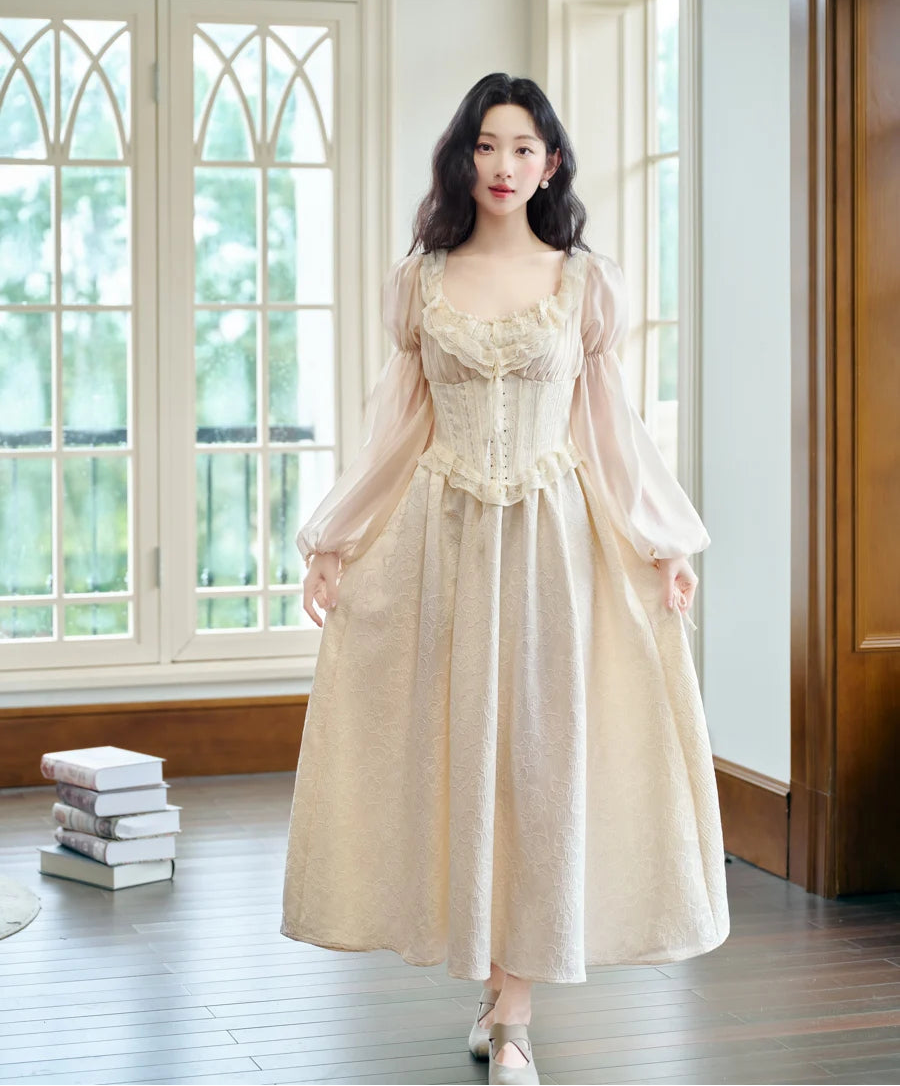
The aesthetic exploded in popularity in late 2020 with the premiere of Netflix's Bridgerton. The show's highly stylized and anachronistic take on Regency-era fashion and society provided the visual blueprint for what would become the mainstream version of Royalcore. The show's costume designer, Ellen Mirojnick, created a world where historical accuracy was deliberately sacrificed in favor of visual fantasy — and audiences loved it.
Bridgerton's Cultural Impact
In the wake of Bridgerton's success, online searches for key aesthetic elements like corsets, empire-waist dresses, and opera gloves skyrocketed. The term "Regencycore" was coined to describe the specific trend, and it became used interchangeably with Royalcore. The show's second season and the spin-off Queen Charlotte: A Bridgerton Story continued to fuel the aesthetic's popularity.
Brands like Selkie saw dramatic increases in sales of their puff-sleeved silk gowns. Searches for velvet, brocade, and lace garments surged. The Royalcore aesthetic had found its mainstream moment.
Castlecore & Neo-Medievalism: The Next Evolution
By 2024–2025, Royalcore had evolved and expanded into a related but distinct aesthetic: Castlecore, also called medieval modern or future medieval. While Royalcore tends to focus on the romantic opulence of Baroque, Rococo, and Regency eras, Castlecore draws more heavily from medieval and Gothic aesthetics — stone architecture, chainmail, dark tapestries, and armored accessories.
Pinterest predicted Castlecore as a major trend for 2025, with searches for "medieval core" increasing by 110%. Other related searches also surged dramatically:
| Search Term | Increase |
|---|---|
| Medieval core | +110% |
| Castle house plans | +45% |
| Chainmail necklaces | +45% |
| Antique ruby ring | +50% |
Notable cultural moments that reinforced the Castlecore trend include Chappell Roan's "Roan of Arc" performance at the MTV VMAs, which brought medieval-inspired visuals back into the spotlight, and the continued success of House of the Dragon and the romantasy book genre, which saw sales of science fiction and fantasy books increase by 41.3% between 2023 and 2024.
Escapism, Fantasy, and Cultural Context
The rise of Royalcore and Castlecore cannot be fully understood without considering the broader cultural context in which they emerged. Both aesthetics are fundamentally about escapism — a desire to retreat from the anxieties and complexities of modern life into a romanticized historical fantasy.
For Gen Z, who came of age during a period of economic uncertainty, political polarization, and the COVID-19 pandemic, the appeal of an aesthetic that celebrates grandeur, elegance, and a fantasy of power is deeply understandable. As Mia Jacobs, a youth fashion strategist at WGSN, noted: "For Gen Z, this aesthetic offers a sense of escapism from the ongoing polycrisis and the anxieties of the modern world as they find solace in historical fantasies."
"We tend to romanticize the past when we crave escapism, but it also reflects our broader political and cultural climate."
— Mashable, 2025The aesthetic also intersects with broader discussions about technofeudalism and neo-medievalism — the idea that contemporary society, with its widening wealth gaps, fragmenting institutions, and tech-company dominance, increasingly resembles the feudal structures of the pre-modern world. In this context, Royalcore and Castlecore can be read as both an escape from and a commentary on contemporary power structures.
The Future of Royalcore
Far from being a passing trend, Royalcore and its related aesthetics appear to have established a lasting presence in contemporary visual culture. The aesthetic's appeal is rooted in fundamental human desires — for beauty, for escapism, for a sense of grandeur and significance — that are unlikely to diminish.
The evolution from Royalcore to Castlecore suggests that the broader category of "historical fantasy aesthetics" is continuing to develop and diversify. As Gen Z and Millennials continue to drive cultural trends through social media, and as the romantasy genre continues its explosive growth in publishing and streaming, the appetite for regal, historical, and fantastical visual culture shows no signs of abating.
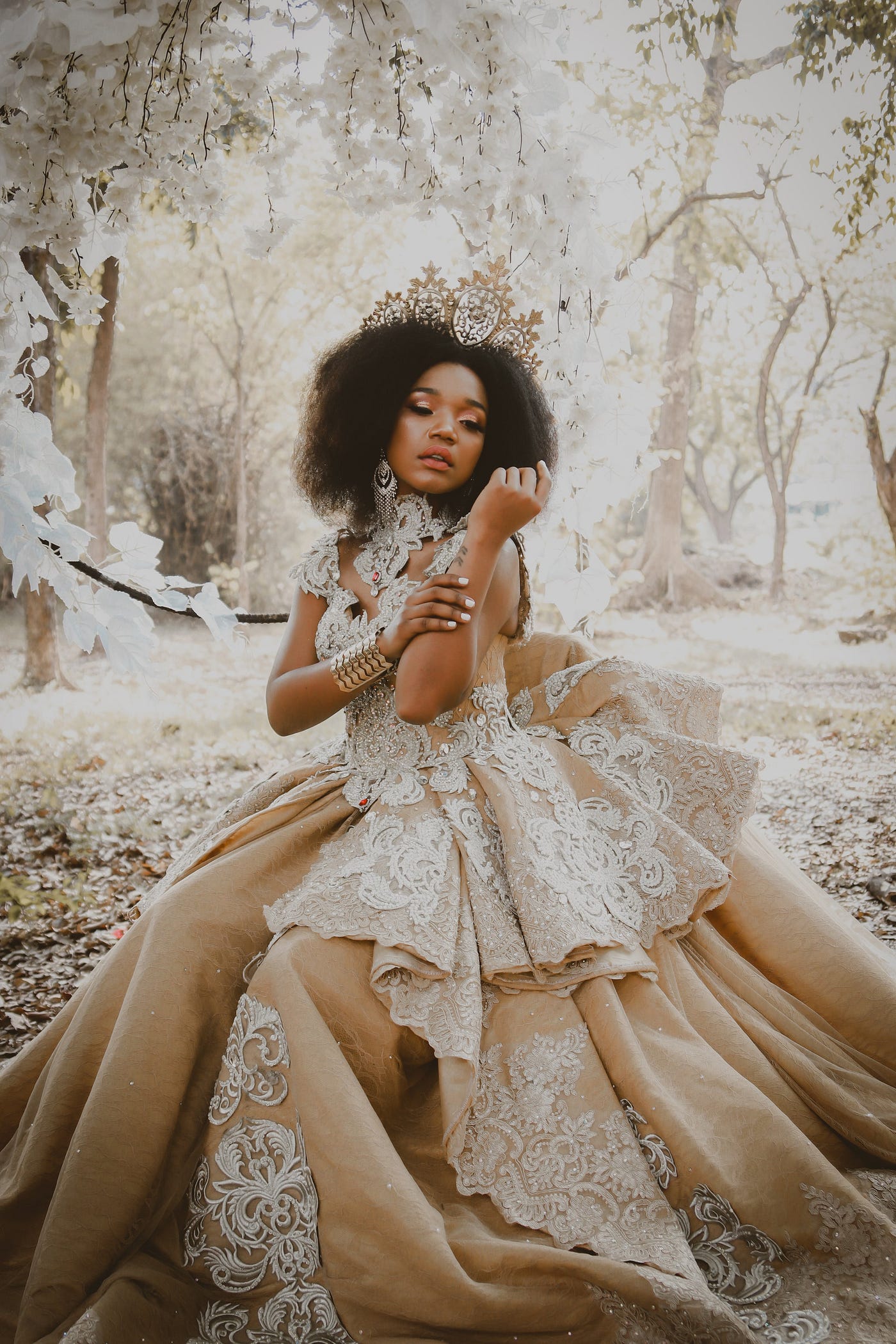
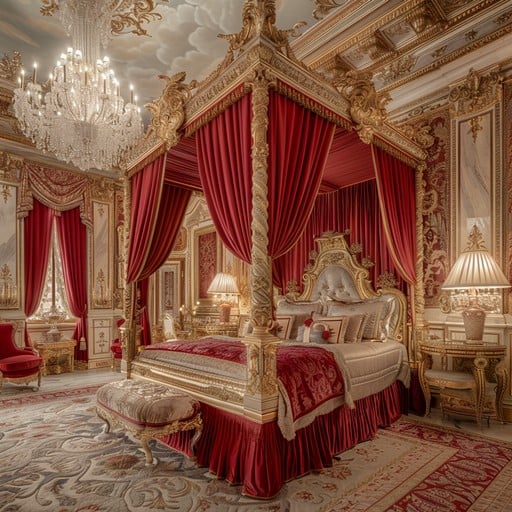
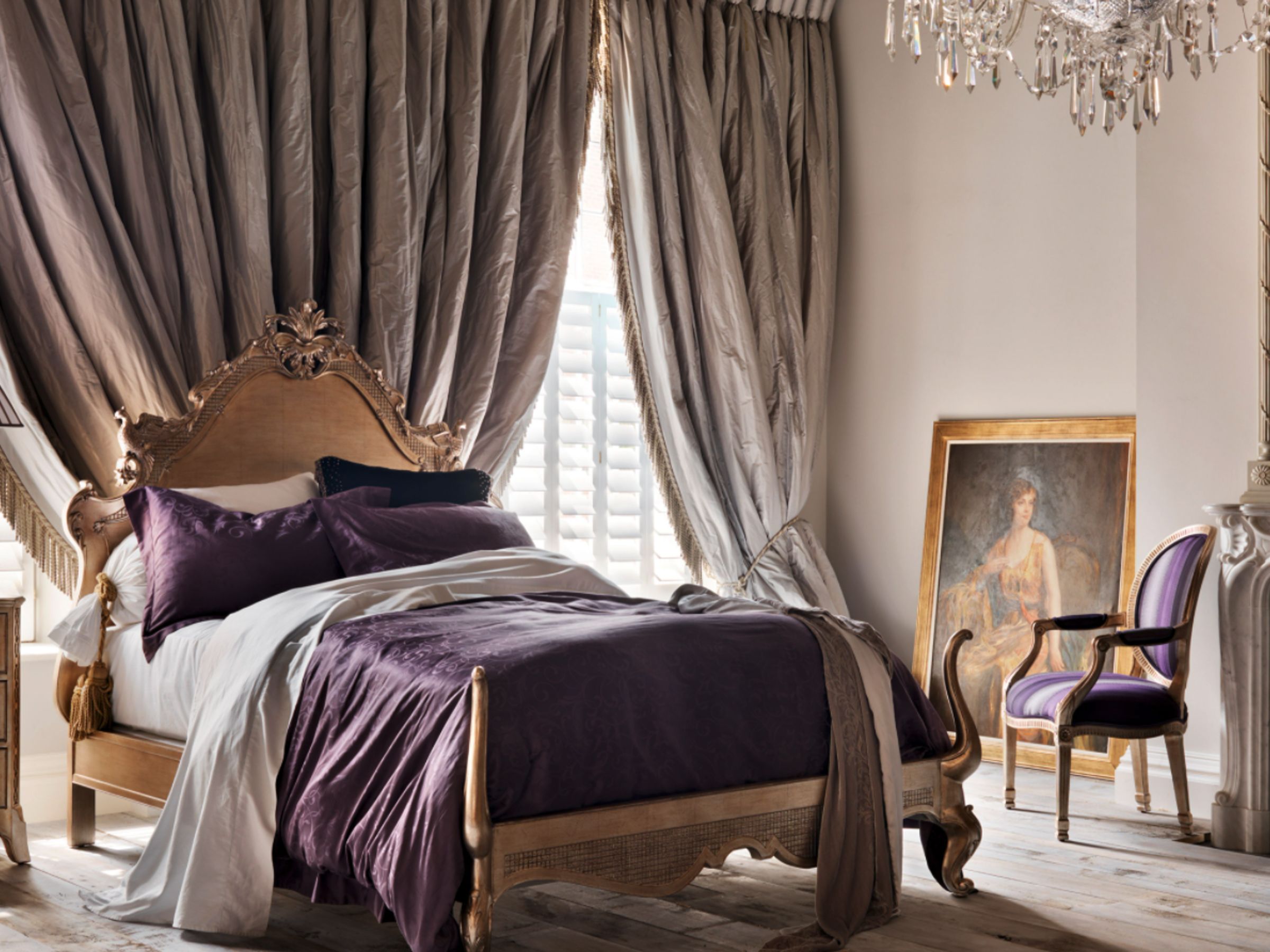
The aesthetic also continues to influence mainstream fashion and interior design, with elements of Royalcore — velvet fabrics, ornate details, jewel tones, maximalist layering — appearing regularly in high street collections and interior design publications. What began as a niche internet aesthetic has become a genuine cultural force, reshaping how a generation thinks about beauty, elegance, and the relationship between past and present.
Social Media Statistics & Cultural Reach
The scale of Royalcore's social media presence reveals the depth of its cultural impact. These figures, collected in early 2022 following the premiere of Bridgerton Season 2, illustrate how rapidly the aesthetic had grown from a niche internet subculture to a mainstream phenomenon.
2,637%
Increase in Google searches related to Royalcore over 12 months (as of March 2022)
278.1M
TikTok views for videos containing the Royalcore hashtag
52,276+
Instagram posts featuring the Royalcore hashtag
Millions
Pinterest pins and boards dedicated to Royalcore aesthetic inspiration
The primary platforms for Royalcore content are TikTok, Pinterest, and Instagram, each serving a different function within the aesthetic community. TikTok drives trend discovery and styling tutorials; Pinterest serves as the primary mood board and inspiration platform; Instagram showcases finished looks and lifestyle content. The aesthetic's visual richness makes it particularly well-suited to image-based platforms.